What to Expect at the 2026 UNESCO World Heritage Committee Session in Busan
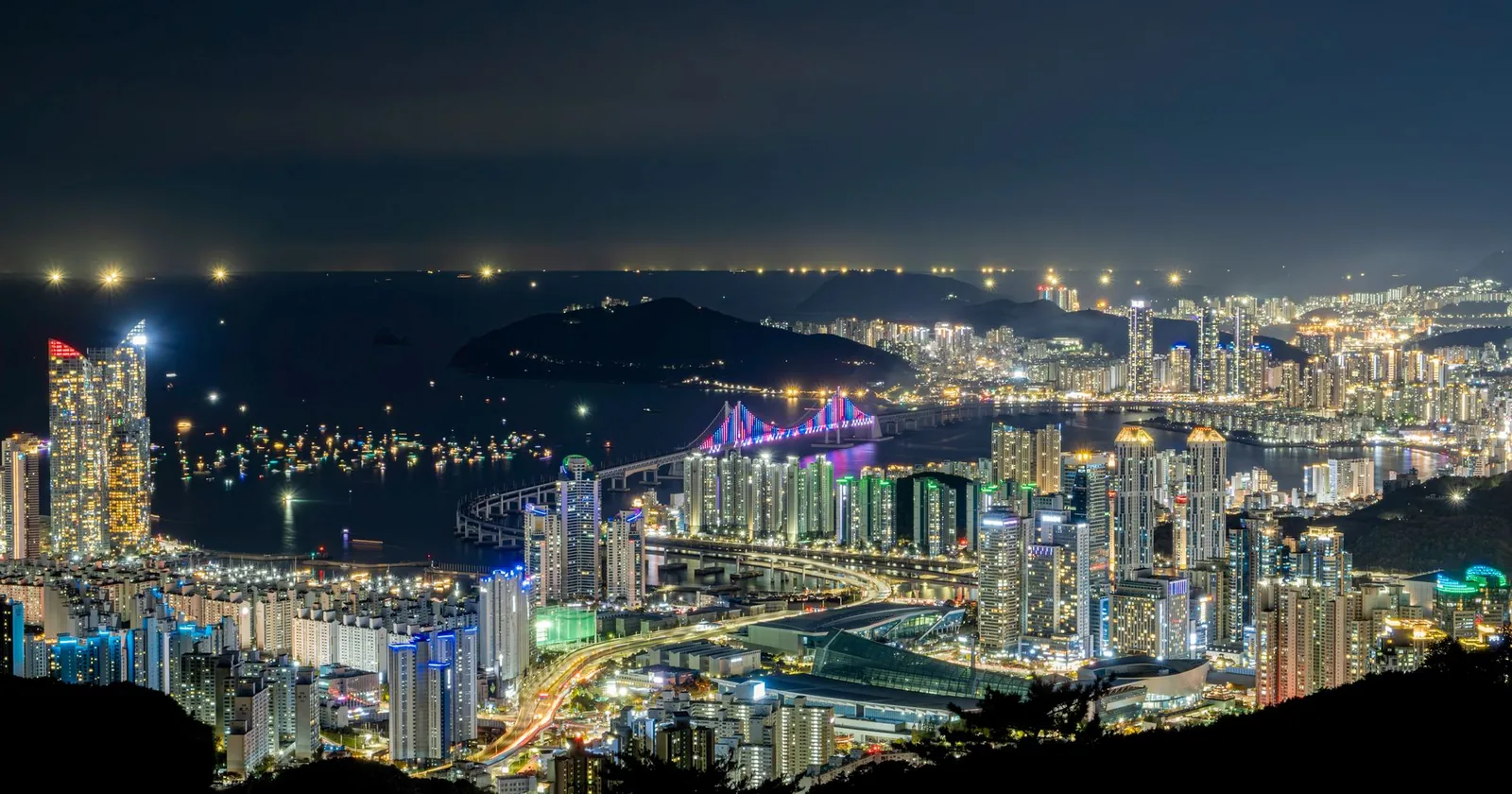
Every summer, one meeting quietly redraws the map of places worth traveling for. The UNESCO World Heritage Committee gathers once a year to decide which sites join the World Heritage List, which ones are flagged as endangered, and how the planet’s most treasured landmarks are cared for. In 2026 that meeting comes to Busan, South Korea, and if you plan trips around ancient and historic places, it rewards a close look. This is the 48th session of the Committee, it runs from July 19 to 29, and it is the first time Korea has hosted since joining the World Heritage Convention back in 1988.
Why a once-a-year meeting matters to travelers
The World Heritage Committee is a rotating panel of 21 countries, elected from the 196 States Parties that have signed the Convention. Each year it reviews nominations that have already been vetted by expert advisory bodies: ICOMOS for cultural sites and IUCN for natural ones. When the Committee says yes, a new name joins the List, and a fresh must-visit destination is born.
For a traveler, that is a useful signal. A newly inscribed site is often at its best in the short window after listing, before timed tickets, capacity caps, and tour buses arrive in force. Inscription tends to bring a surge of visitors and tighter rules, so the savvy move is to go early and go thoughtfully.
The same meeting also manages the List of World Heritage in Danger, which flags sites threatened by war, runaway development, mass tourism, or climate change. An in-danger listing is not a closed sign, but it is a reason to visit responsibly, support local conservation, and tread lightly. Reading the results of each session is one of the simplest ways to keep a travel wishlist both current and ethical.
The 48th session: when, where, and how big
The session runs July 19 to 29 at BEXCO, Busan’s convention center. Korea expects roughly 3,000 delegates and observers, about 2,400 of them from overseas, representing the 196 States Parties. President Lee Jae Myung has framed the event as a showcase of the country’s cultural standing and global leadership, and the Korea Heritage Service, led by Administrator Huh Min, is steering preparations. Officials put the expected economic impact at 137.2 billion won, around 100 million dollars. Over the ten days, delegates will work through a global slate of new nominations and review the conservation status of sites already on the List, with Korea’s own tidal flats the headline closest to home.
A practical note on timing: late July in Busan is hot and humid, and it falls inside the East Asian monsoon window, so sudden rain is likely. The formal deliberations are for delegates only, but Korea is wrapping the session in public programming that any visitor can enjoy.
The headline inscription to watch: Getbol, Korea’s tidal flats
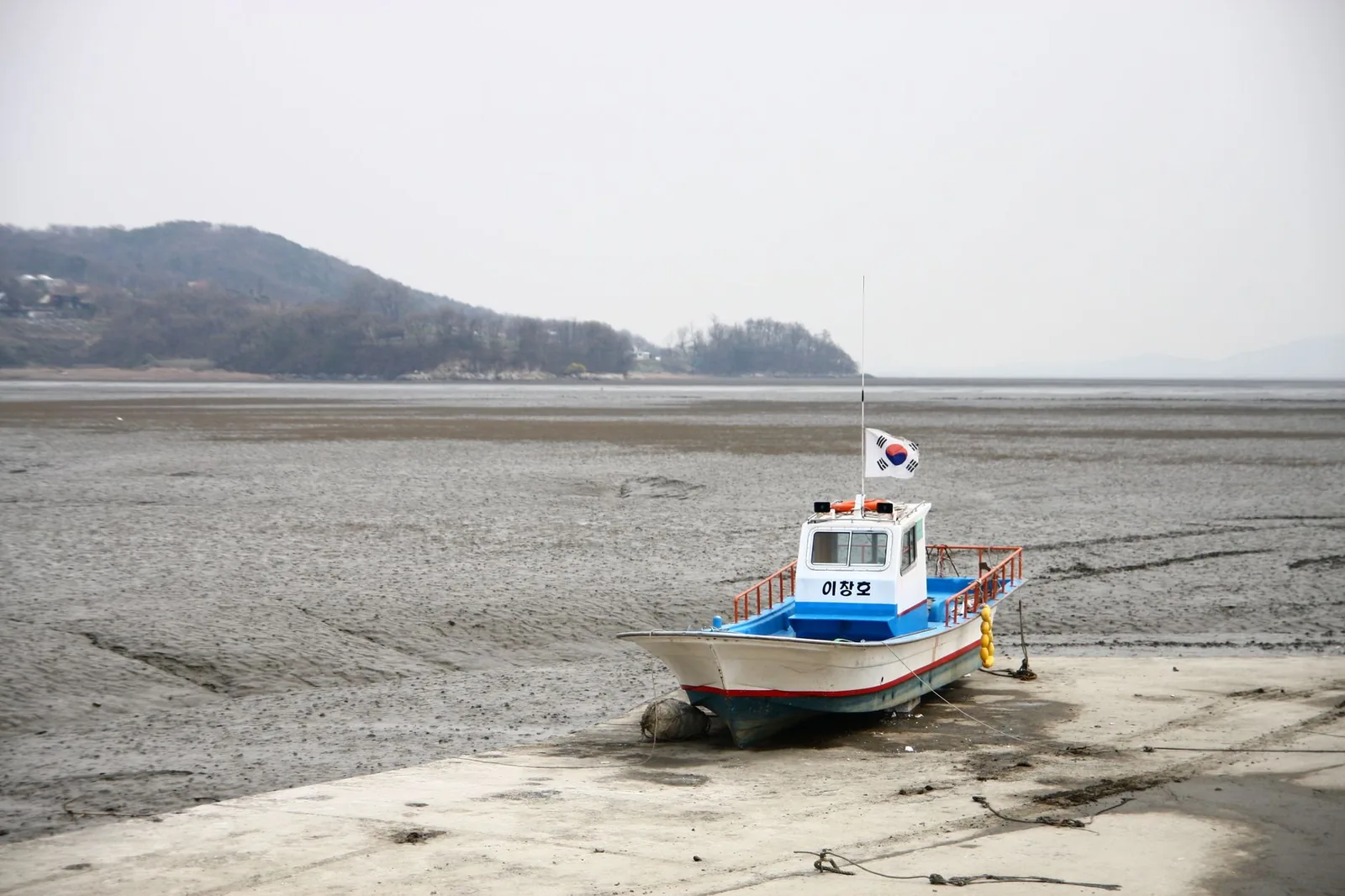
The site to keep an eye on is Getbol, Korean Tidal Flats. It was first inscribed as a natural World Heritage site in 2021 (List reference 1591), a serial property of mudflats along the Yellow Sea that serves as a vital staging ground for migratory shorebirds on the East Asian-Australasian Flyway. That original listing came with a request to enlarge the property so it protects the wider ecosystem, and in Busan the Committee is expected to weigh this second phase.
IUCN, the advisory body for natural sites, has given the expansion a favorable review. The second phase would add tidal-flat areas at Muan, Goheung, Yeosu, and Seosan, extending protection across much of the southwestern coast. Korean officials have even raised the idea of a longer-term, cross-border conservation effort with North Korea and China, since North Korea’s own tidal flats already sit on the tentative list.
If a Getbol expansion tempts you to visit, the flats reward patience and good timing. Plan around low tide, wear footwear you do not mind ruining, and consider a guided ecology walk. Suncheon Bay and the Sinan mudflats make accessible bases, and the spring and autumn migration seasons bring the largest flocks. Be aware that boardwalk coverage varies and the open flats are uneven and slippery, so they are not ideal for visitors with limited mobility.
The K-Heritage House: what visitors can actually see
While the voting happens behind closed doors, the cultural program is the part travelers can walk into. Korea is building a K-Heritage House inside Hall 1 of BEXCO, covering 13,254 square meters, about twice the footprint of a soccer field, open from July 20 to 29. Thirty-three organizations are filling 42 exhibition and experience spaces, grouped into a Heritage Archive, a Living Heritage zone with intangible-heritage demonstrations, a Heritage Future digital showcase, and a collaboration area.
Three themed pavilions anchor the hall: one on Korea’s UNESCO World Heritage sites and its long partnership with UNESCO, one on the country’s documentary heritage, and one on the host city of Busan itself. Expect master craft demonstrations and live performances, and watch for the royal guard changing ceremony, which will be staged twice daily and, for the first time, performed away from its home at Gyeongbokgung Palace in Seoul. A “Refuge Capital” Busan heritage night tour (July 24 to 25) and a Busan travel film festival screening World Heritage films (July 18 to 19) round out the public-facing calendar. If you are in the region in late July, it is a rare chance to see this much Korean heritage gathered under one roof.
Build a heritage trip around Busan
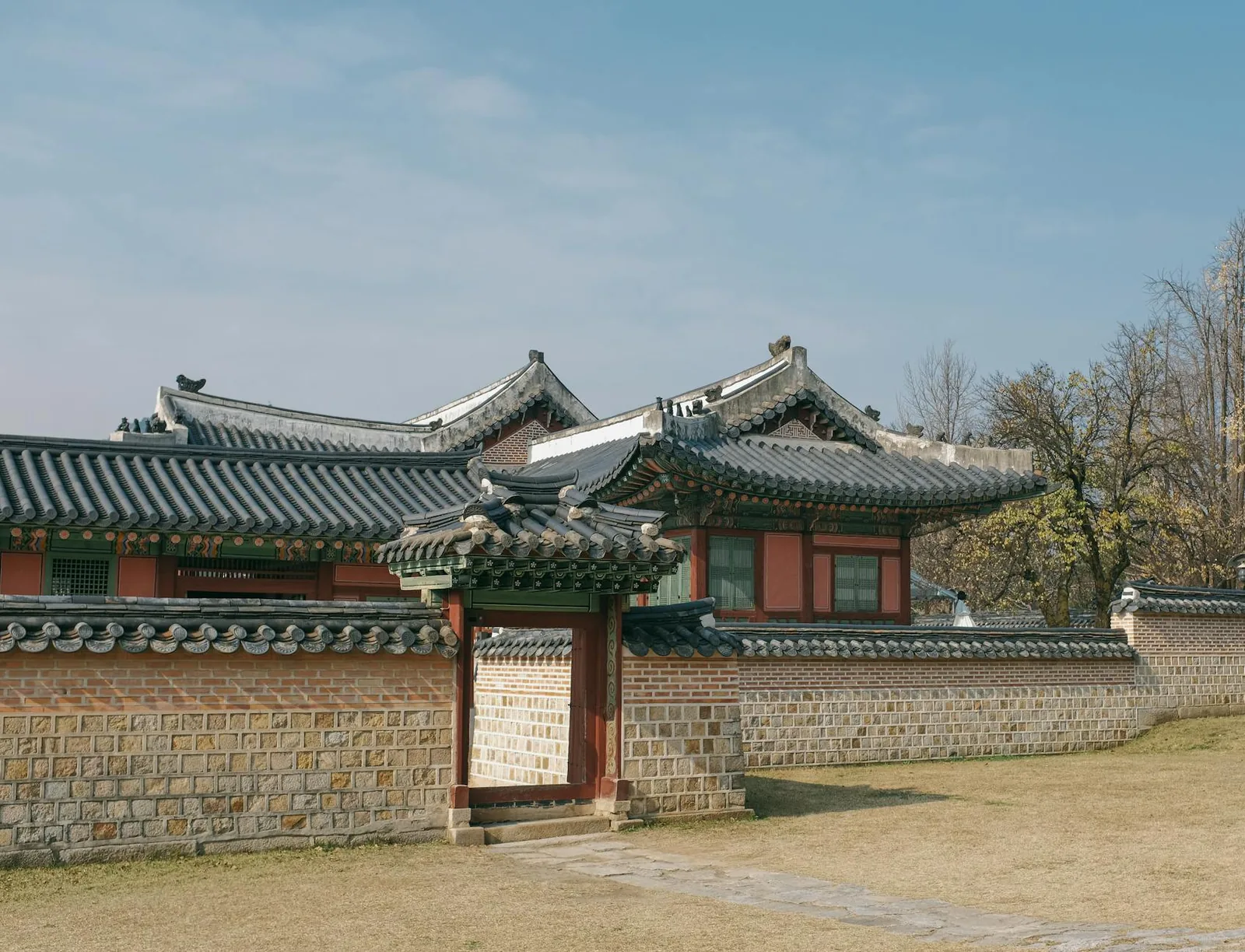
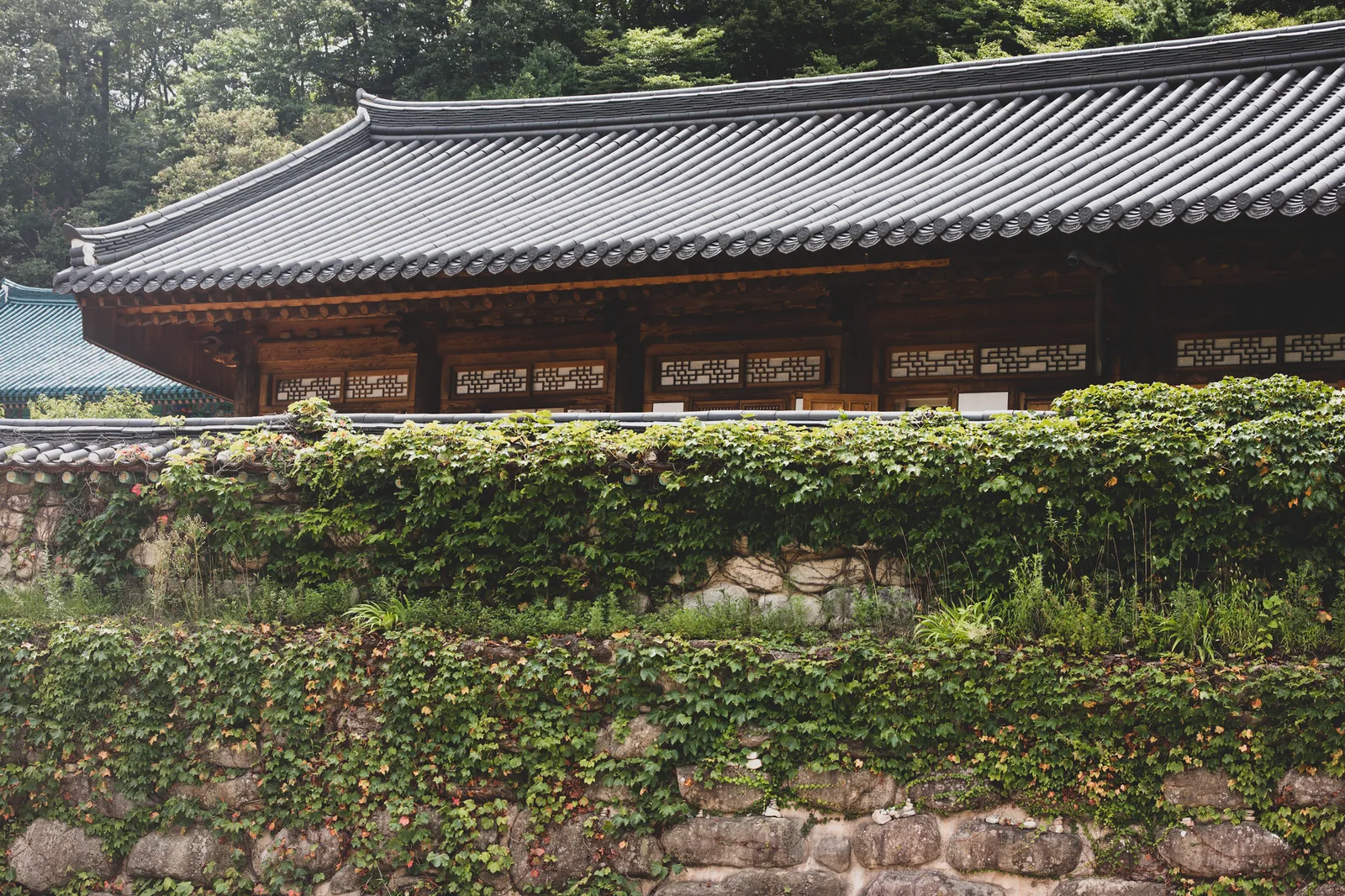
Busan is also a fine springboard for ancient sites, and several cluster within a day trip. Gyeongju, the old capital of the Silla kingdom, is essentially an open-air museum of a city; its Bulguksa Temple and Seokguram Grotto form one of Korea’s most celebrated World Heritage sites. Tongdosa, one of the great Buddhist mountain monasteries inscribed as part of the Sansa group, welcomes visitors and offers an overnight templestay. The Gaya Tumuli, a set of ancient burial mounds added to the List in 2023, lie near Gimhae and Goryeong, close enough to fold into the same trip.
Pairing the energy of the session with two or three genuine ancient places is easy here, but plan ahead in peak summer. Book Gyeongju lodging and any templestay early, start your sightseeing at first light to beat the heat, carry water, and build in shaded midday breaks.
What the Busan session signals for the future
Korea wants the meeting to be more than a one-off. Officials have proposed turning it into an annual Busan Forum with a weighty agenda: protecting heritage destroyed by war, folding artificial intelligence into conservation work, and building a World Heritage Impact Assessment system so major developments are measured against heritage value before they break ground. On the natural side, Korea is championing a Key Geoheritage Areas initiative, formalized in the KGA Korea Declaration, and is eyeing a future bid for the dinosaur fossil sites along its southern coast.
The throughline for travelers is simple. The List keeps growing, the in-danger watch keeps sharpening, and the next wave of places worth seeing and worth protecting is decided in rooms like the one in Busan. When the gavel falls in late July, a handful of new names will join the world’s most exclusive travel list. The traveler who reads that list the moment it changes is already a step ahead.
Further reading (sources)
- UNESCO World Heritage Centre on the 48th Committee session in Busan
- The Korea Herald with Korea’s first turn hosting the World Heritage summit
- The Korea Times for the K-Heritage House and Korea’s geo-heritage push
- UNESCO World Heritage Centre on the Getbol, Korean Tidal Flats inscription record
- IUCN World Heritage Outlook for how natural World Heritage sites are assessed and tracked
Feature photo by thuan Nguyen on Pexels.