The 2026 UNESCO Inscriptions: A Traveler's Verdict on 25 New World Heritage Sites
The gavel came down in Busan on July 29, 2026, and the World Heritage List grew by 25 names. The coverage that followed was scattered across national outlets, each country reporting its own win, and nowhere was there a single list you could plan a trip from. This is that list. It is the results companion to our preview of the Busan session, which looked at the agenda before any of these decisions were taken.
Below, the ancient and archaeological entries get a paragraph each: what the place actually is, why the Committee said yes, and the only question that matters once the ceremony is over, which is whether you can go. The rest of the intake is summarized so you have the complete picture.
What the 48th session actually decided
Twenty-five new properties: 19 cultural, five natural, and one mixed. Every one was adopted by consensus, which is rarer than it sounds and reflects a deliberately conciliatory session. The List now stands at 1,273 properties across 173 countries.
Three of those countries were inscribing for the very first time. Comoros, São Tomé and Príncipe, and South Sudan all joined, taking the number of States Parties with nothing on the List down from 26 to 23. The Committee also approved two extensions to properties already inscribed, including Phase II of the host country’s Getbol tidal flats and a Chinese addition covering the Changshan islands, and re-examined Garamba National Park in the Democratic Republic of the Congo under new criteria.
Six properties went onto the List of World Heritage in Danger, and the Historic Centre of Vienna came off it after years under review. Three of the danger listings were new inscriptions, admitted through an emergency procedure reserved for heritage under immediate threat. If you are unfamiliar with how any of this machinery works, our complete guide to the World Heritage system explains the criteria and the nomination path.
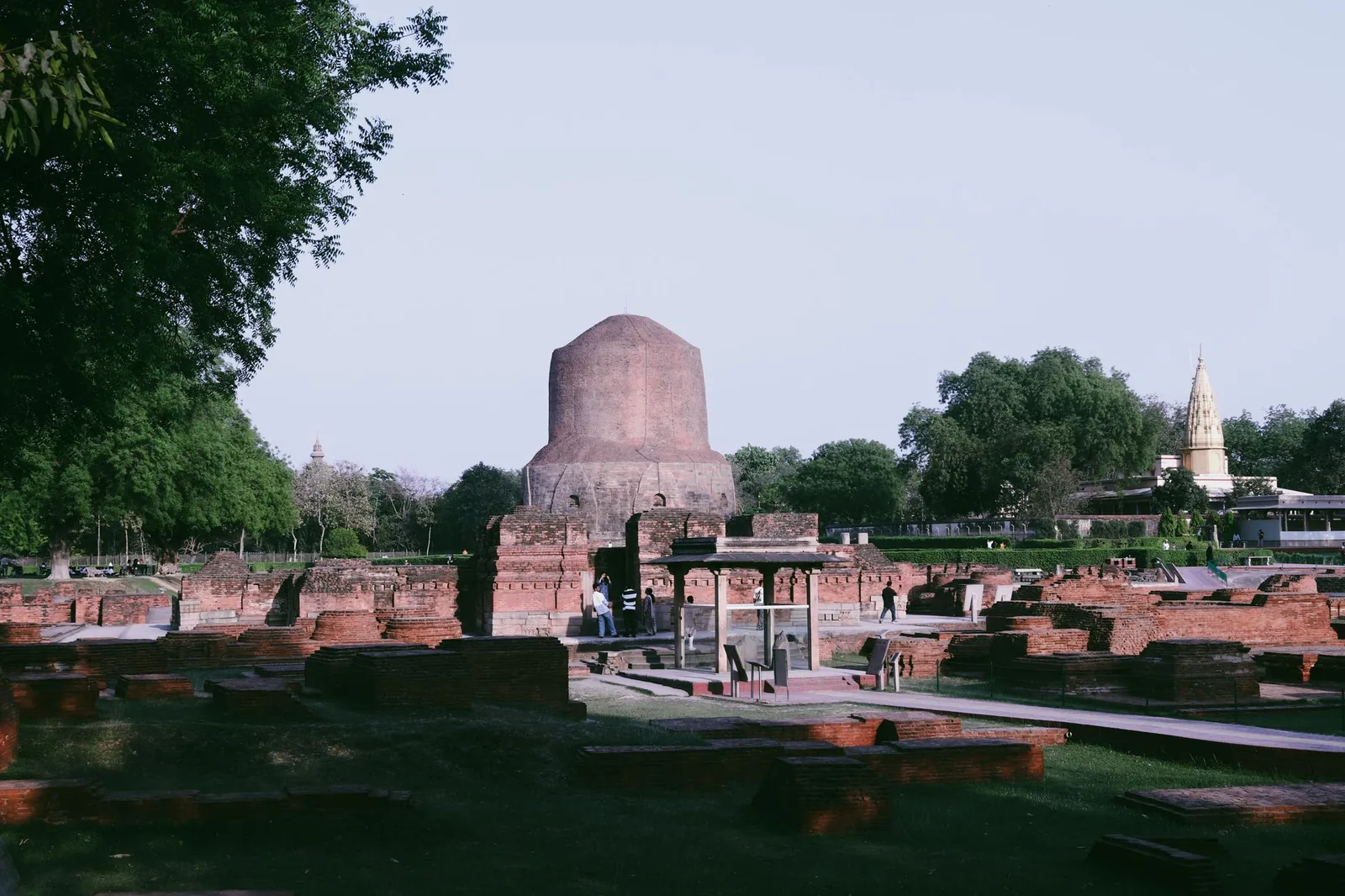
Sarnath, India
Where the Buddha delivered his first sermon in the sixth century BCE, in a deer park outside what is now Varanasi. The property covers two protected archaeological areas: the Chaukhandi Stupa, and the Archaeological Remains of Sarnath with the vast Dhamek Stupa and the ruined Dharmarajika Stupa at their center. It faded into obscurity for centuries before eighteenth-century rediscovery, and it is India’s 45th World Heritage Site.
Can you visit? Yes, easily. Sarnath sits about 10 km from Varanasi and works as a half-day trip. Go early, before the coach groups. Two things to know: it is a living pilgrimage destination as well as a ruin field, so dress modestly and keep clear of groups at prayer, and the site’s greatest object is not on the site. The Lion Capital of Ashoka, the sculpture that became India’s national emblem, is in the Sarnath Archaeological Museum next door. See the museum first. November through February is the comfortable window.
Ancient Capitals of Asuka and Fujiwara, Japan
Seventh-century ruins scattered through farmland in the southern Nara Basin, marking the decades when Japan stopped being a federation of clans and became a centralized state. The Asuka Palace served as the political center from 630 for more than 60 years, and the purpose-built capital of Fujiwarakyō followed in 694. What survives is unusually varied: the exposed stone chamber of the Ishibutai tomb, built from roughly 30 boulders weighing an estimated 2,300 tons and thought to hold the statesman Soga no Umako; the remains of Japan’s oldest water clock, built in 660; and the enigmatic carved channels of the Sakafuneishi ritual stone.
Can you visit? Yes, and it is one of the most pleasant sites on this year’s list. Asuka is rural, flat enough to cycle, and about 40 minutes by train from Nara. The catch is the famous part. The multicolor murals of the Takamatsuzuka and Kitora tombs, the only surviving paintings of their kind in Japan, are far too fragile for in-situ viewing. The Takamatsuzuka murals have been removed to a nearby conservation facility, and what you see at the mounds themselves is the mound. Plan around the museum displays rather than the tombs.
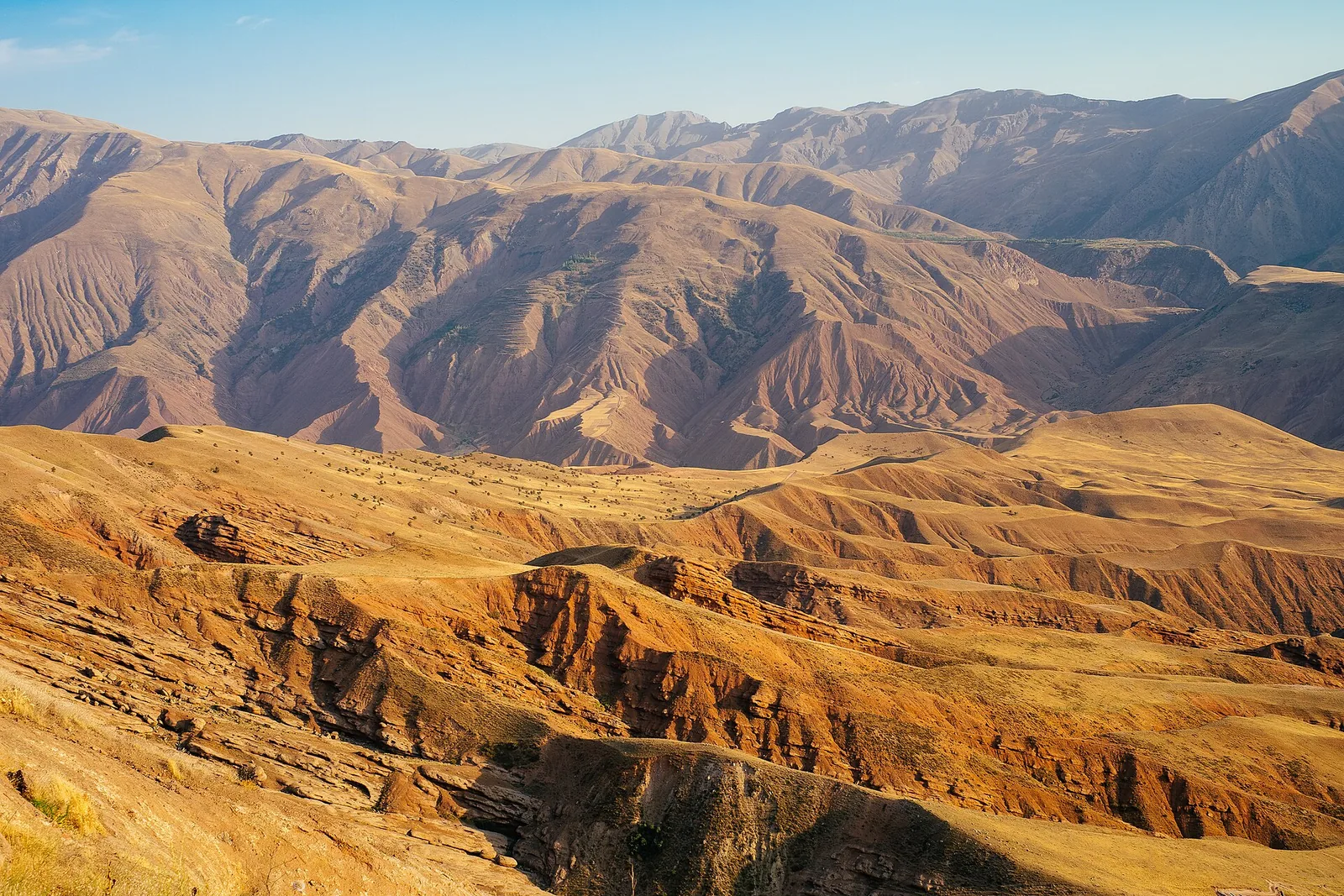
Alamūt Castle and Related Fortifications, Iran
A serial property of seven castles strung across the eastern and western Alamut valleys on the southern flank of the Alborz range in Qazvin province: Alamut itself, plus Lambsar, Navizarshah, Shams-Kelaye, Qostinlar, Shirkuh, and Ilan. From the late eleventh century this network was the political, military, and intellectual heart of the Nizari Ismaili state, the community whose reputation among hostile outsiders eventually produced the “Assassins” of European legend and, much later, a video game franchise. The Committee cited it as an exceptional fortified mountain landscape, a system of defense, water management, and communication routes read off the terrain itself. Scholars including the polymath Nasir al-Din Tusi worked here before the Mongols took Alamut in 1256. It is Iran’s 30th World Heritage Site.
Can you visit? The site is reachable, roughly two hours from Qazvin and then a steep stepped climb to the ridge. The honest constraint is not the site but the country. Iran’s security situation through 2026 has been volatile, and several governments maintain advisories against travel. Check your foreign ministry’s current guidance before you plan anything, and treat this as a name for a later shortlist rather than a next-spring booking.
Sebastia, State of Palestine
A hilltop town about 10 km northwest of Nablus in the occupied West Bank, identified by scholars as ancient Samaria, capital of the biblical Kingdom of Israel. The archaeology runs continuously through the Iron Age, Hellenistic, Roman, Byzantine, and Islamic periods. Herod the Great rebuilt it lavishly as Sebaste in honor of the emperor Augustus, and the temple platform, stadium, and long colonnaded street date from that rebuilding. Christian and Muslim tradition both place the tomb of John the Baptist, the Prophet Yahya, here. The nomination was first submitted in 2012 and was finally admitted in Busan on an emergency basis, with simultaneous placement on the List of World Heritage in Danger, over Israeli objections. Israeli authorities have announced plans to seize roughly 180 hectares at and around the site.
Can you visit? In principle yes, and the village depends on visitors for its livelihood. In practice access hinges on checkpoints and the security picture on the day. Go with a Palestinian guide arranged from Nablus, confirm conditions locally that morning rather than trusting a schedule made weeks earlier, and understand that you are visiting a site whose status is actively contested.
Mount Amel Castles, Lebanon
Five castles in the Jabal Amel region of southern Lebanon, recognized for a layered architectural inheritance that folds Crusader, Ayyubid, Mamluk, and local building traditions into nearly nine centuries of fortification. Like Sebastia, this was an emergency inscription and went straight onto the danger list. Tyre, already inscribed, was added to the danger list in the same session.
Can you visit? No. Southern Lebanon has been an active conflict zone, and the emergency procedure exists precisely because these buildings may not survive. This is an inscription to follow, not to book. When the situation allows, the castles will reward the trip enormously.
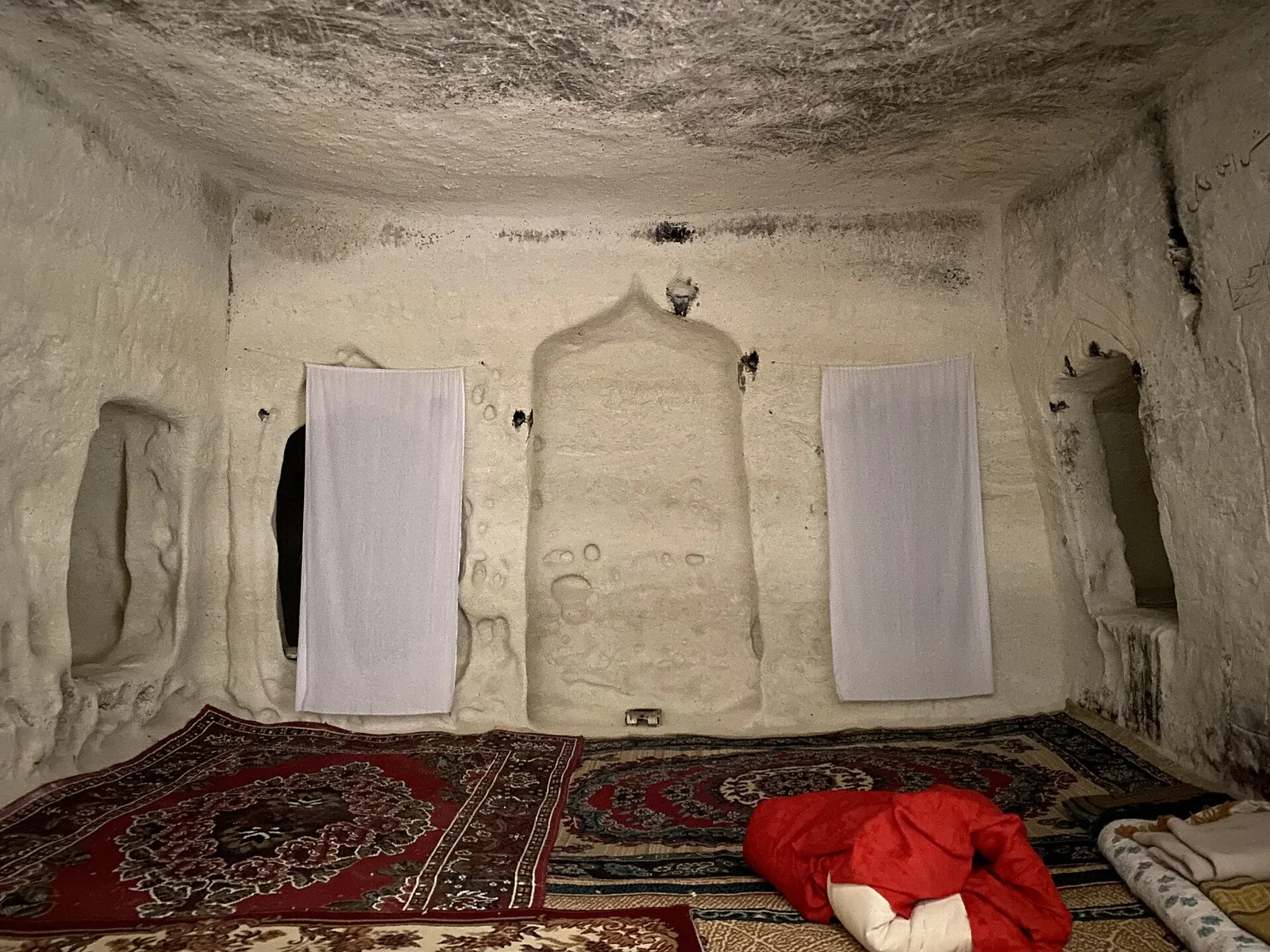
Rock Mosques and Associated Sacred Sites of Mangystau, Kazakhstan
Underground and rock-cut mosques carved into the chalk and sandstone of the Mangystau desert, on the eastern shore of the Caspian: Beket Ata, Shopan Ata, Karaman Ata, Shakpak Ata, and Sultan Upi. They served as places of prayer, burial, and teaching, and they remain in devotional use. This is Kazakhstan’s first successful inscription in 22 years, since the Tamgaly petroglyphs in 2004.
Can you visit? Yes, if you commit to it. Base yourself in Aktau, which has flights, and hire a driver with a proper 4x4, because the sites are spread across long unsurfaced desert distances and several involve a descent on foot. Spring and autumn only; summer here is punishing and winter wind off the Caspian is worse. These are working pilgrimage sites, not monuments, so cover up, ask before photographing anyone, and follow the lead of the Kazakh pilgrims who will be there alongside you.
The Cemetery Complexes of the Xiongnu Nobility, Mongolia
The elite burial grounds of the Xiongnu, the steppe confederation that dominated Inner Asia from roughly the third century BCE and pressed hard enough on Han China to shape centuries of Chinese frontier policy. Their aristocratic tombs, deep shafts under earthen terraces, have yielded imported Chinese lacquer, Central Asian textiles, and Roman glass, evidence of a nomadic power plugged into trade networks across the continent.
Can you visit? With effort and an organized trip. The complexes are remote, the season is effectively June to September, and Mongolian roads outside the capital are a serious undertaking. Set expectations honestly: what is visible on the ground is terrain and depressions, not architecture. The finds are the reason to go, and most of them are in Ulaanbaatar’s museums. Do the museums first, then the landscape.
The wider area of Mount Olympus, Greece
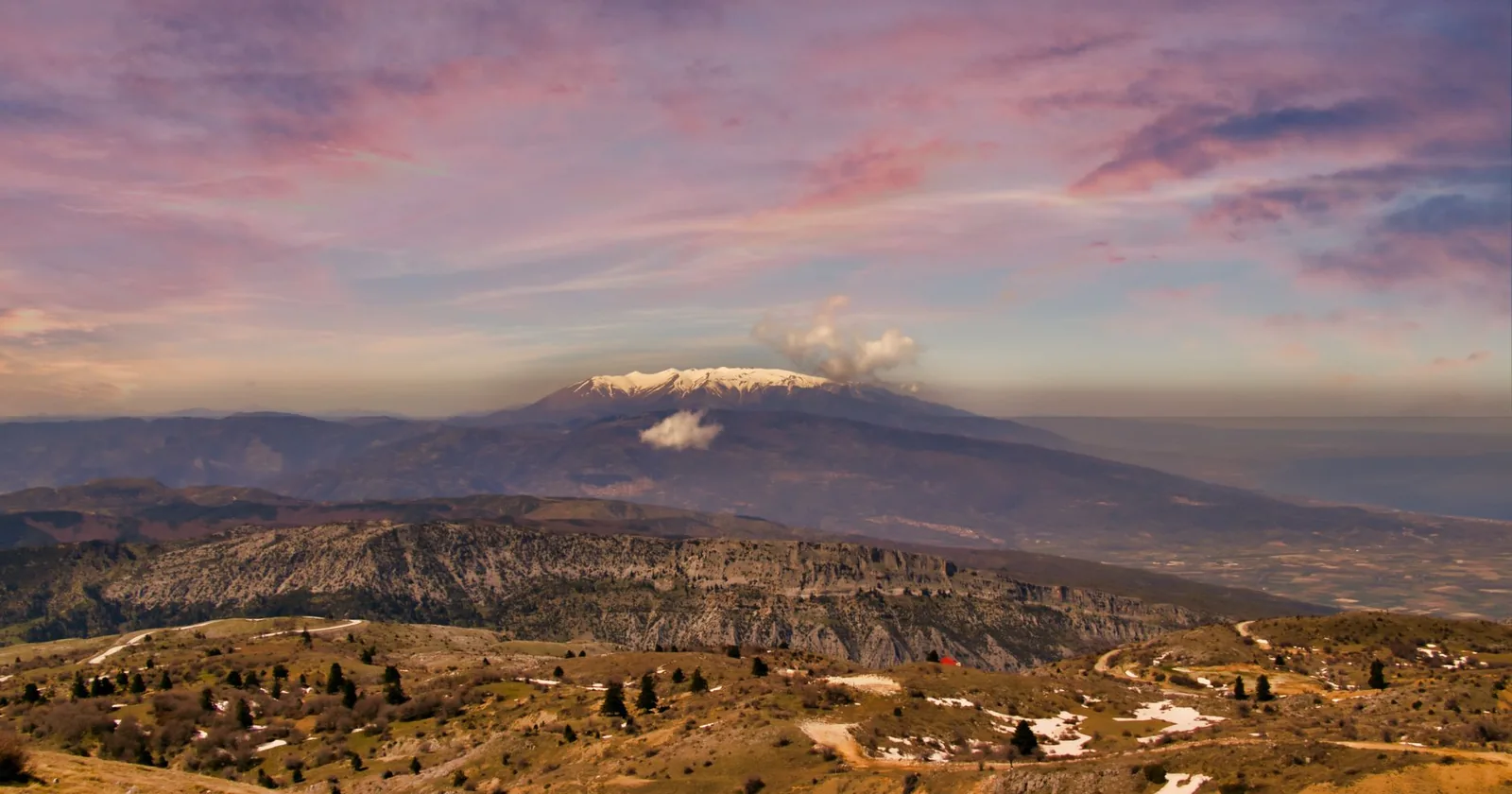
The only mixed inscription of 2026, recognized for culture and nature together. At 2,918 meters Greece’s highest mountain was the seat of Zeus and the Twelve Olympians, and it is also a genuine biodiversity refuge, a glacial holdout for ancient forest species with hundreds of plants found nowhere else. Greece had it on the tentative list from 2014, so this was a 12-year wait.
Can you visit? Yes, and this is the most immediately bookable name on the list. Litochoro is the trailhead town. The standard ascent is a two-day walk with a night at a mountain refuge, and refuge beds sell out in July and August, so book ahead. The Mytikas summit itself is an exposed scramble rather than a hike and is not for everyone. The season runs roughly June to early October. For the ancient layer without the altitude, the sanctuary city of Dion at the mountain’s foot is an easy, flat, and badly underrated half-day. If you are already collecting Greek inscriptions, pair it with last year’s addition, the six Minoan palaces of Crete.
The rest of the cultural intake
Twelve further cultural properties joined, and several are excellent travel on their own terms.
France took two. The Beaches of the D-Day Landings, Normandy, 1944 were inscribed as a site of memory, covering Utah, Omaha, Gold, Juno, and Sword, plus Pointe du Hoc, surviving Atlantic Wall works, and the American Cemetery at Colleville-sur-Mer. The Royal Capetian Fortresses of Languedoc center on Carcassonne’s double concentric ramparts and the outlying castles built into the Pyrenean foothills. Both are fully open, ticketed, and busy.
Elsewhere: the Village of Sidi Bou Saïd in Tunisia, the blue and white clifftop village 12 miles from Tunis; Wat Phra Mahathat Woramahawihan at Nakhon Si Thammarat in southern Thailand; the Jingdezhen Handicraft Porcelain Industry Sites in China, the kiln town that supplied the world for a millennium and a natural stop for anyone working through ancient China’s heritage layers; the Medinas of the Historic Sultanates of the Comoros and the Roças of São Tomé and Príncipe, both first inscriptions for their countries, the roças being the plantation estates that shaped the islands’ colonial economy; and four twentieth-century entries that show how far the List has moved from ruins alone, namely the Aalto Works in Finland, the Gdynia Modernist City Centre in Poland, Tashkent Modernist Architecture in Uzbekistan, the Amazonia Theaters of Brazil, and Italy’s System of Italian-style Condominio Theatres.
The five natural inscriptions
Aqaba Marine Reserve, Jordan. Red Sea coral that tolerates warm water better than almost any reef on earth, which makes it scientifically important as well as beautiful, plus more than 500 fish species along a short coastline. Open, easy, and diveable year round. It slots neatly onto the end of a Petra and Wadi Rum run, or as a Red Sea coda to a two-week Egypt itinerary.
Okefenokee National Wildlife Refuge, USA. Over 400,000 acres of subtropical peatland on the Florida and Georgia line, and land of deep significance to the Muscogee (Creek) Nation. Open to the public, with trails, paddling, and guided boat trips.
Boma-Badingilo Migratory Landscape, South Sudan. Host to one of the largest land mammal migrations on the planet, inscribed on an emergency basis and simultaneously listed in danger. Not currently a visitor destination.
Wadi Wurayah, United Arab Emirates, a mountain wadi and waterfall system in Fujairah, and the Bony Fish Fossils of the Western Limfjord, Denmark, a fossil bed of exceptional preservation. Both are modest, accessible, and pleasantly unhyped.
Building a 2027 shortlist from this
The pattern in the 2026 intake is worth naming. Several of the most significant archaeological entries were admitted precisely because they are in danger, and that changes what going means. Sebastia, Mount Amel, and Boma-Badingilo were not inscribed to launch a tourism season; they were inscribed to get international protection onto the paperwork before something irreversible happened.
For an actual trip in the next 18 months, the realistic names are Mount Olympus, Sarnath, Asuka and Fujiwara, Aqaba, Okefenokee, Carcassonne, and Sidi Bou Saïd. The rewarding difficult one is Mangystau, which will not stay quiet now that Kazakhstan has a designation to promote. Alamut and the Xiongnu cemeteries are trips to plan slowly. The rest belong on a watch list rather than an itinerary.
The oldest advice about new inscriptions still holds. A freshly listed site is usually at its best in the eighteen months before the signage, the timed tickets, and the coach park catch up with it. Go early, go quietly, and spend your money locally while you are there.
Further reading (sources)
- UNESCO World Heritage Centre on the full slate of 25 inscriptions from the 48th session
- UNESCO for the Sarnath announcement and India’s 45th listing
- The Art Newspaper with reporting on the Iranian, Lebanese and Palestinian entries
- Tehran Times on the seven fortifications in the Alamut nomination
- Qazinform for Kazakhstan’s first inscription in 22 years
- Nippon.com with a walk through the Asuka and Fujiwara ruins
- The Guardian on the Greek reaction to the Mount Olympus decision
- Al Jazeera for what the Sebastia listing means on the ground